BG-mug

Belle Gunness: Lady Bluebeard & The Murder Farm

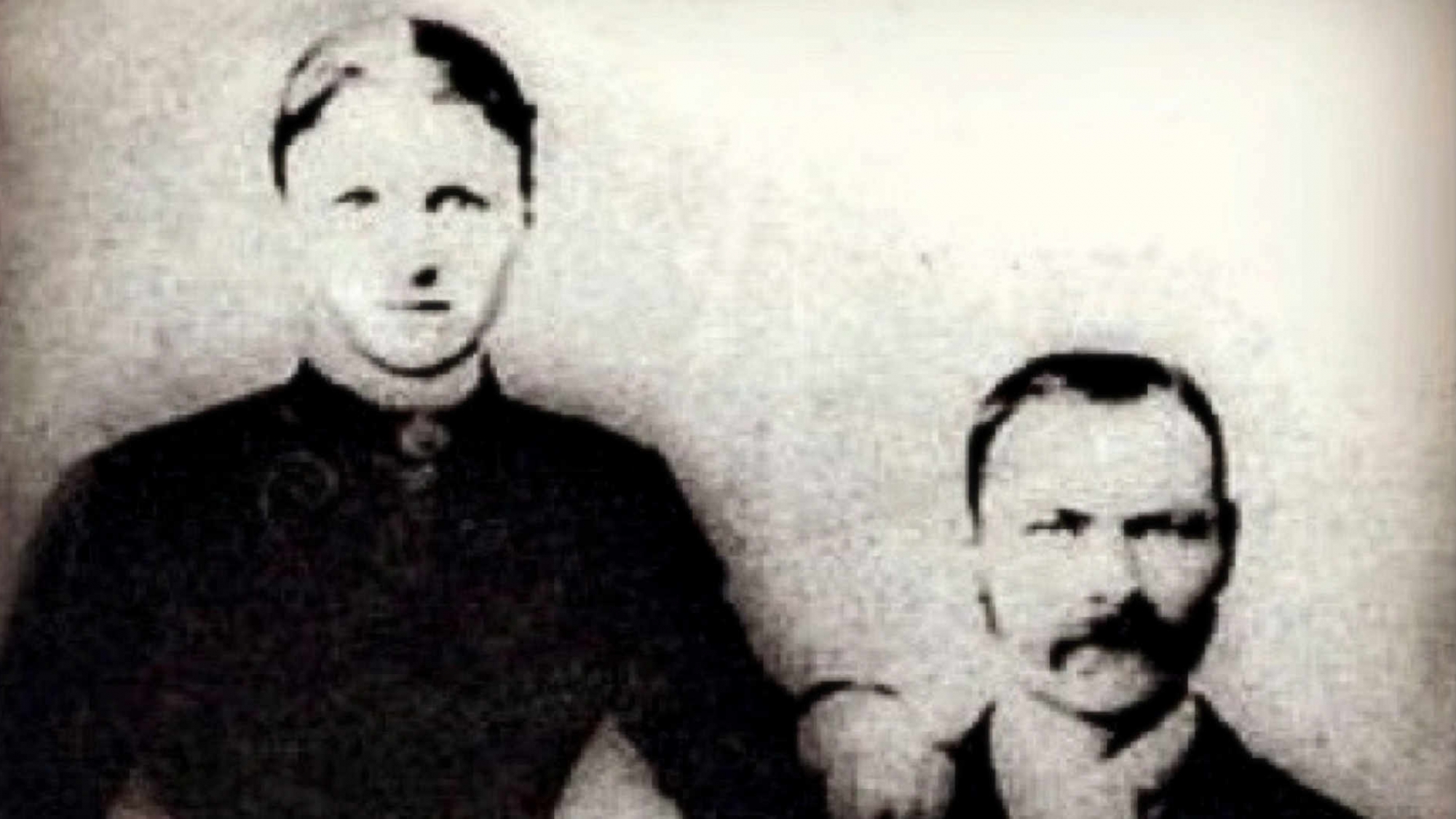
When the Altic Farm House, on the outskirts of La Porte, Indiana burnt down in 1908, locals thought it a tragedy that claimed the lives of three children and their heroic mother, who had died trying to protect them from the flames. During the excavation of the debris, the story flipped on its head as far more than the 4 bodies expected were eventually found. Butchered and cast into pits they were victims of Belle Gunness, a woman the newspapers would come to call the La Porte Ghoul, The Indiana Ogress, The Human Vampire, Hell’s Princess & Lady Bluebeard.


ict_equipment33_mid

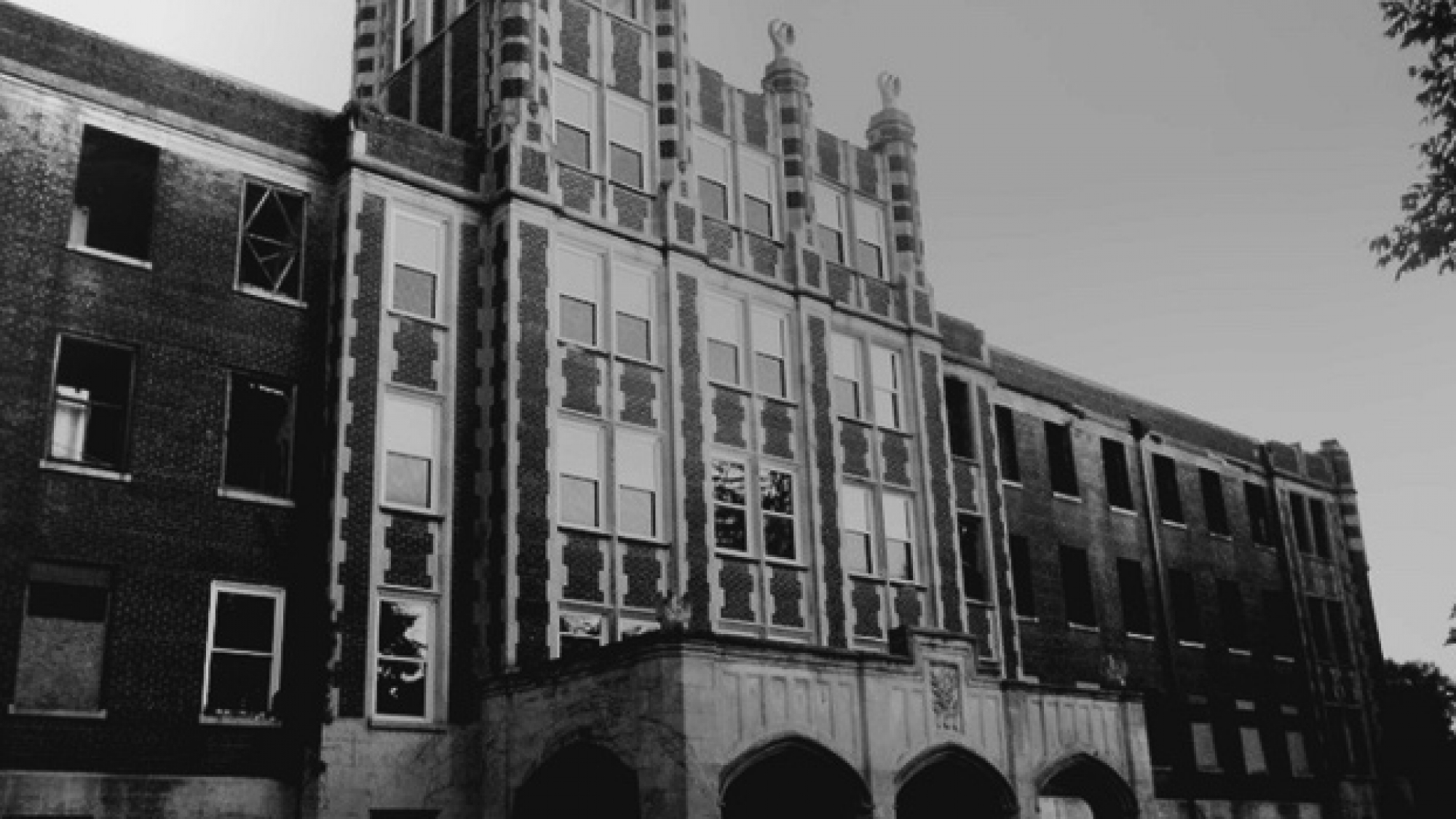
The Dodleston Messages: Ghost in the Machine

On Dark Histories, we hear the words of people lost to history, echoing through the writings of labourers, servants, judges, juries, maids and mistresses exactly as they were written in decades and centuries past. This one way communication with history is always limited by it’s very definition and no matter how much we dig, we can never ask the writers what were they feeling as they wrote each line, and whilst we judge them by the information they give, we can never invite them to ask what they make of the people and things of today in our alien, modern world. In 1984, an Economics teacher living in the small rural village of Dodleston found he had the opportunity to do exactly this, when he was thrust into a strange link that tied him across centuries with a past inhabitant of his home via an early model personal computer and it’s word processing software EDWORD. Both accused the other of trickery, poltergeist activity, witchcraft and devilry, but eventually, a bond between the two was formed. Cross-century communications are never easy, however, especially when the future gets involved.

Screenshot 2019-06-06 at 00.31.40

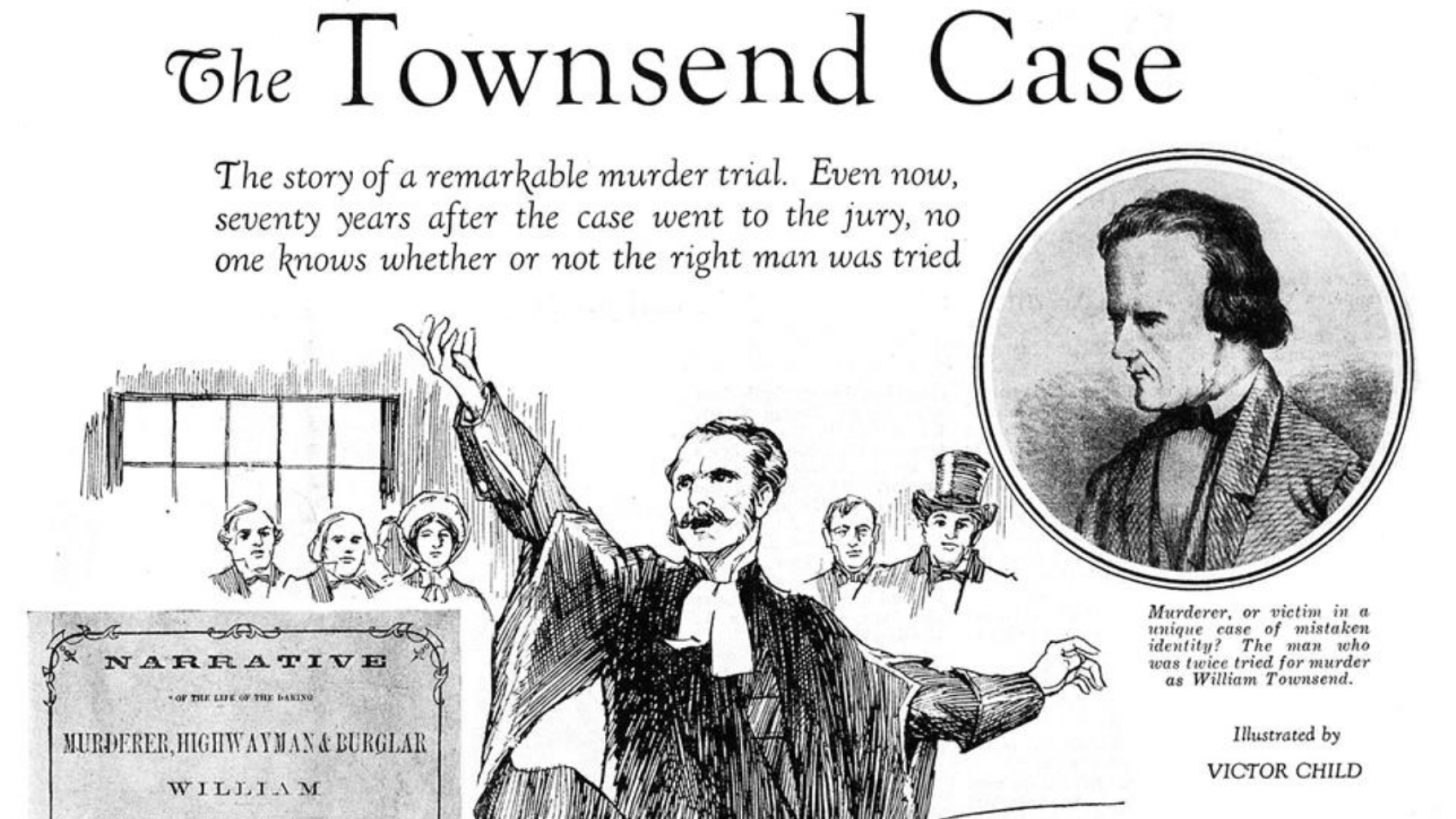
The Curious Case of Not Townsend

Getting away with murder has always been a difficult, and ultimately, unlikely affair, even in the 19th Century, before DNA analysis, fingerprint databases, or even any real, proper detective agencies, it was still a challenge that many criminals tried and failed. There were some however, that did manage to achieve the feat, whether it be through cool calculation, or dumb luck, there was always opportunity for the enthusiastic murderer willing to think outside the box. In Canada during the mid-19th Century, one man, William Turner managed to commit and get away with murder, either through dumb luck, due to an unlikely double being framed for the crime, or through an incredible talent for acting. After more than 150 years, the question has always remained, which was it? Luck, or the long game?

Bête

Terror in Gévaudan: The Beast

In 1764, France was a tumultuous place. On the eve of Revolution, the peasant farmers of the remote region of Gévaudan were suffering from decades of difficulties, brought about by war, poverty, poor agricultural conditions and plague. As the Summer brought about favourable weather and life for the population of the barren and sparse region should have begun an upswing in fortune, a series of attacks marked the beginning of a reign of terror that would last almost three years, headed by a monster known simply as “The Beast”. Bodies were found half eaten, the remains left on the ground spreading a fear throughout the region that would eclipse all of the previous problems and would escalate the situation as high as the court of the King.

bravoinquest-1024x555

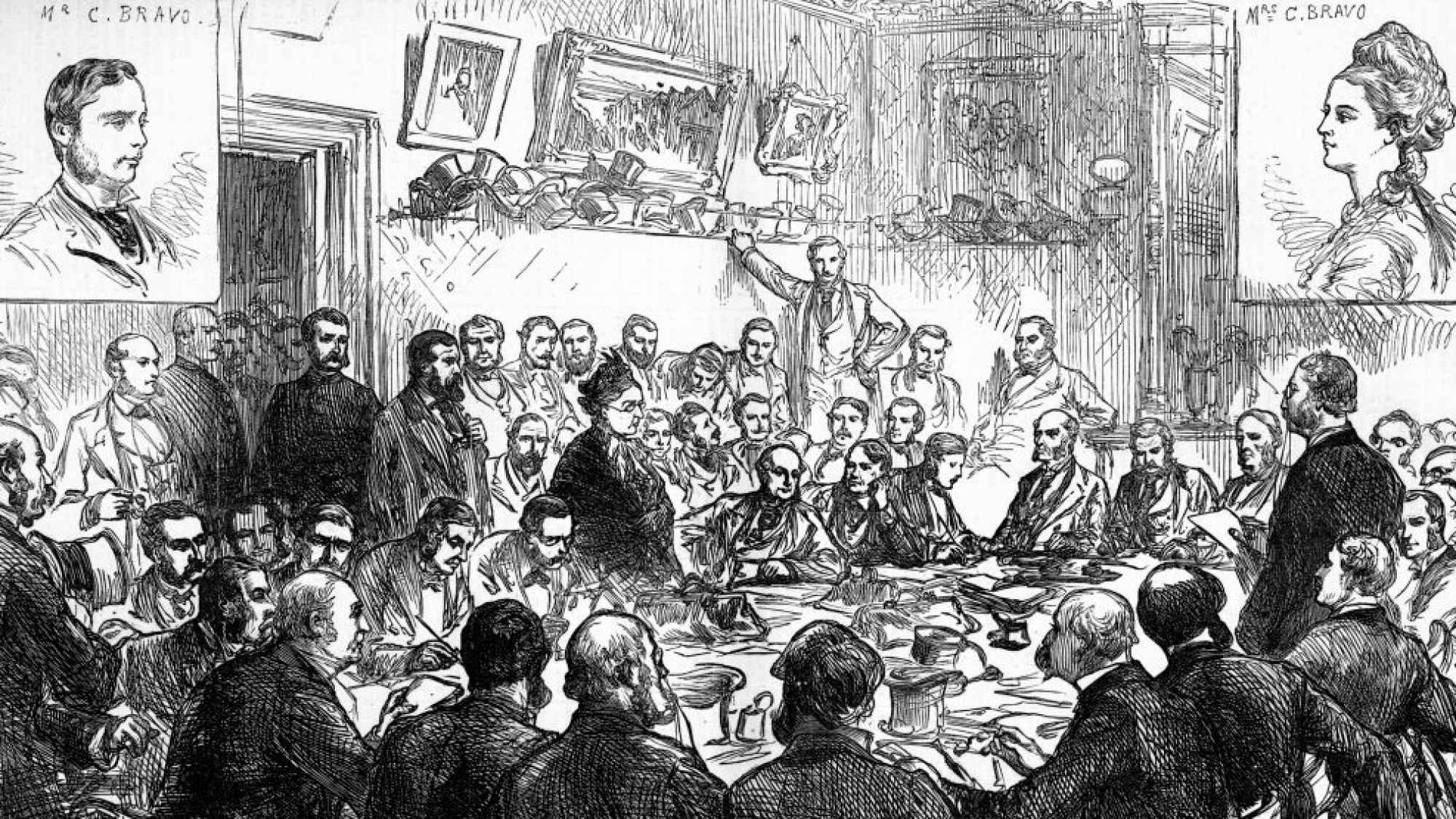
The Balham Mystery: The Death of Charles Bravo

In April, 1876, Charles Bravo took to his bedroom, rubbed a dose of laudanum into his gums and poured himself a glass of water from the jug on his nightstand. Within minutes of retiring to bed, Charles Bravo fell desperately ill. Within two days, he would be pronounced dead, the victim of Antimony poisoning. Suicide, manslaughter and murder have been cast forward by amateur historians and famous crime writers alike. 145 years on, some have claimed to have solved the mystery of the death of Charles Bravo, but in reality, the truth lies as buried as the characters themselves. Two inquests to the good, the question remains, who killed Charles Bravo?

lucan1-902589

The Disappearance of Lord Lucan

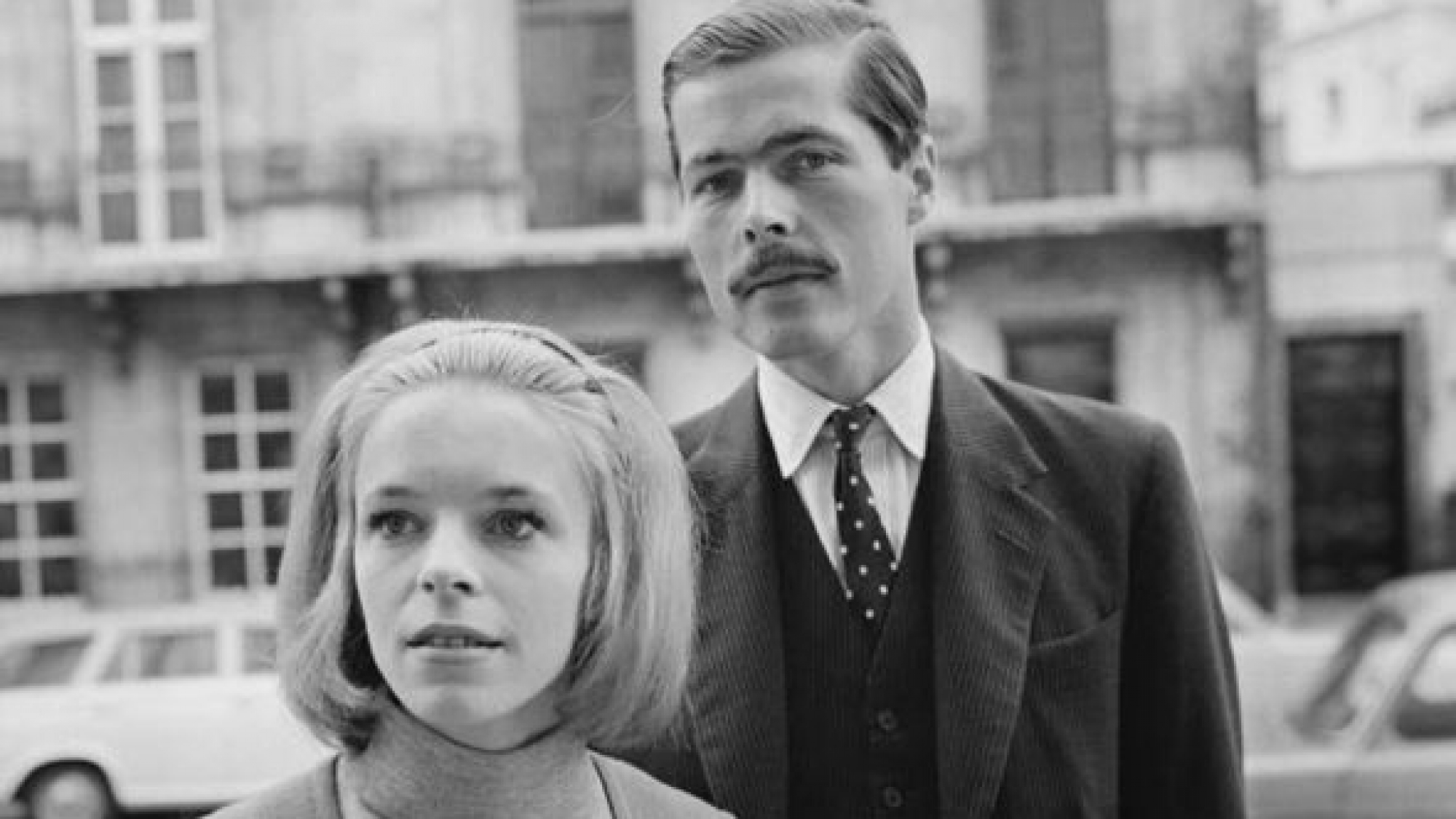
Lord Lucan, a name of considerable infamy, not as a member of the aristocracy, but for the murder of his children’s nanny in a house in the elitist district of Belgravia, London in 1973 and his subsequent disappearance. It was a story that the press went to town on, a classic us vs them tale of Class superiority and those that would seek to protect the hierarchy at all costs, but how much of it was based on truth and how much just a convenient narrative for the journalists that covered the case? It was a case that was launched into mythical status after the Lord himself vanished without trace, leaving a question that runs until today. Where in the world is Lord Lucan? This is Dark Histories, where the facts are worse than fiction.

bridgetcleary-marriage

Bridget Cleary: Away with the Fairies

Faeries, changelings and herbalist doctors might seem like characters in a winding tale of medieval folklore today, but in 1895, Ireland bore witness to a case that saw these facets of folk tradition flare up in a very real way when Michael Cleary, a skilled tradesman of County Tipperary set fire to his wife, burning her to death. As the body of Bridget Cleary was placed in the ground, her husband was convinced that he would see his wife again, riding on the back of a grey horse as she emerged from an invisible plane. The body in the ground was merely that of a changeling, an imposter placed in his house by the fairies, he had merely expedited the process of return.