Screenshot 2020-11-29 at 18.29.48

Loup-Garou: Witches, Cannibalism & The Werewolves of France

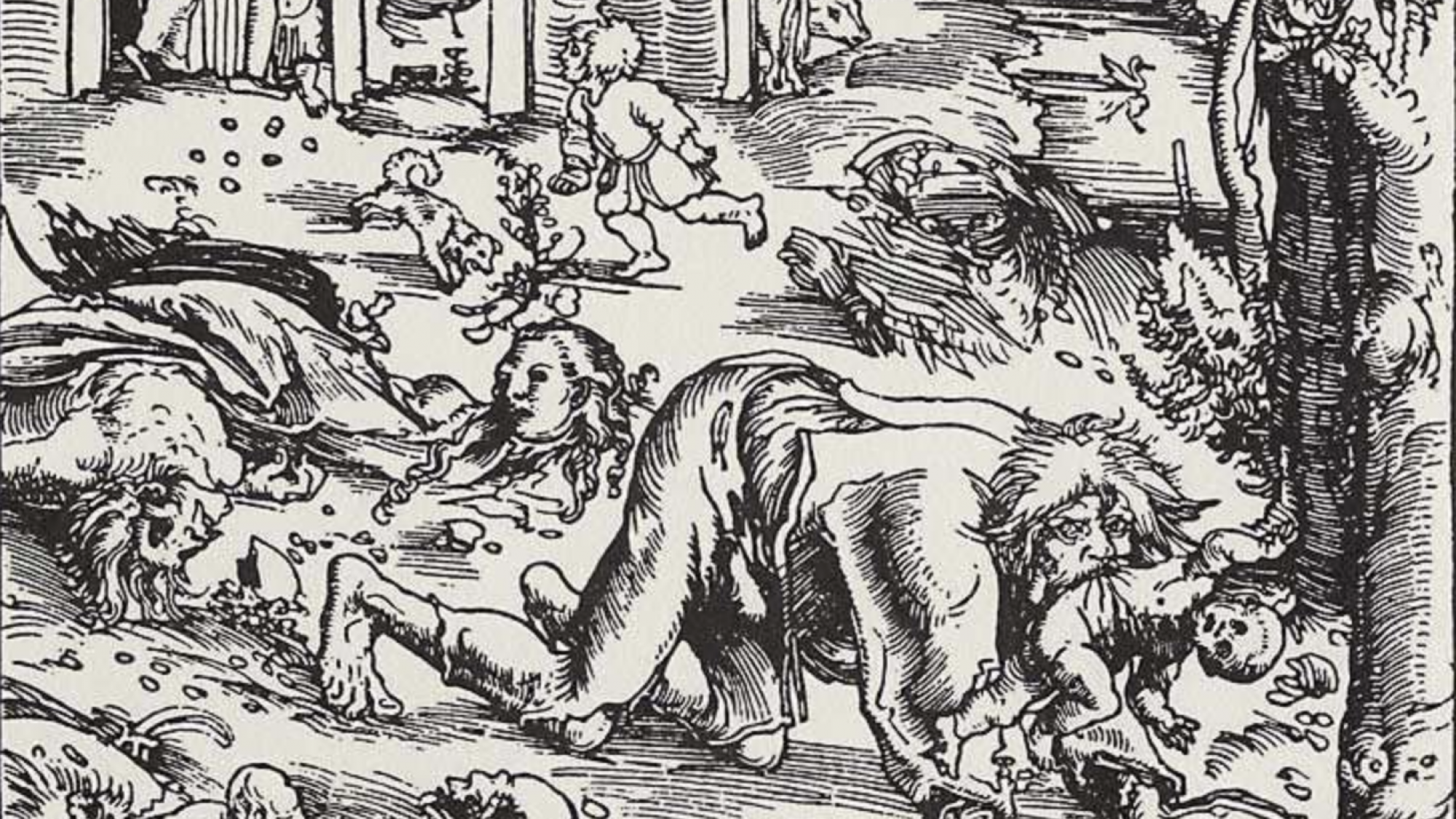
From Salem to East Anglia, Bordeaux to the black forest of Germany, it seems there is no end of infamous witch trials that took place in history, spanning hundreds of years and thousands of miles. Somewhat less well known are the many hundreds of werewolf trials that took place alongside them and with such a degree of crossover, that made them ultimately, synonymous with the occult world of demons and the Devil, with witchcraft and the sabbath. Whilst witches may have been feared for the damage they could cause to the crops, or the corruption they could sew within their communities, werewolves were feared on a far more primal level. Their danger came not from their insidious scheming, but their brutal ferocity, attacking, maiming and devouring the flesh of anyone who might find themselves alone on a dusty path at the wrong time. A predator, stalking in the shadows, werewolves struck fear into the rural communities of France for over two hundred years and whilst they may be considered hard to believe now, for many, they were once as real as the blood stains they left on the ground.
Nandor_Fodor_parapsychologist

Nandor Fodor & The Alma Fielding Poltergeist

The interwar years saw a sharp rise in Spiritualism throughout Europe and the wider world. Family houses in the most benign suburban neighbourhoods curtains hid seance circles, congregated in dark rooms, as mediums addressed the realm of the spirits, pulled objects from flowers to live animals out of thin air and delivered messages from those long deceased. In 1938, the Fieldings from South London became the latest in a long line of victims of ghostly disturbances that ramped into a full blown investigation, as Alma, the young brunette matriarch found herself quickly sucked into a world of mediumship, complete with multiple spirit guides, apparating terrapins and phantom tigers. As the supernormal world around her got more extreme, Nandor Fodor, acclaimed psychical investigator, dug for more earthly explanations into phenomena that he’d later describe as “sending shivers down his spine.”

The Lindley Street Poltergeist

In the mid-1970s, a series of purported supernatural events took place in a small, yellow, wooden slatted house in a suburb of Bridgeport, Connecticut. At a time when demonic forces were very much in vogue, the Goodin family were plagued by all manner of phenomena that quickly drew the attention of the national press, along with thousands of curious onlookers. Despite the contemporary fervour that it sparked and the similarities to several other, far more well traversed, supernatural tales such as Amityville in America, or Enfield in the UK, the events that took place in Bridgeport in the mid-70s have, remarkably, managed to slip largely under the radar, cloaked from wider public attention. Less glamorous but no less fantastic, the case of the Lindley Street haunting, officially struck off as a hoax before a swift U-turn by the authorities, remains as one of the most dramatic and well documented cases in the history of the American Supernatural to this day.

The Mysterious Death of Joseph Elwell

Rumoured as a top contender as the inspiration for F. Scott Fitzgeralds most enigmatic of characters, Jay Gatsby, Joseph Bowne Elwell was among other things, a property developer, race horse owner, author, socialite, broker, tutor and, last but certainly not least, thoroughly famous card player. Winning sums that totalled into the tens of thousands on a nightly basis, he built both wealth and a social circle that placed him firmly in the upper echelons of New York Cities elite. That was until, one morning in June, 1920, when his maid found him, shot in the forehead, dressed in his Pyjamas, sitting in an armchair of the reception room of his Manhattan residence. Perplexing for the police was not only the fact that he was a man with no known, but potentially thousands of, enemies, but also that his house had been locked shut, the windows barred and no gun ever found at the crime scene.

Henry_Every

The Pirate Life of Henry Every

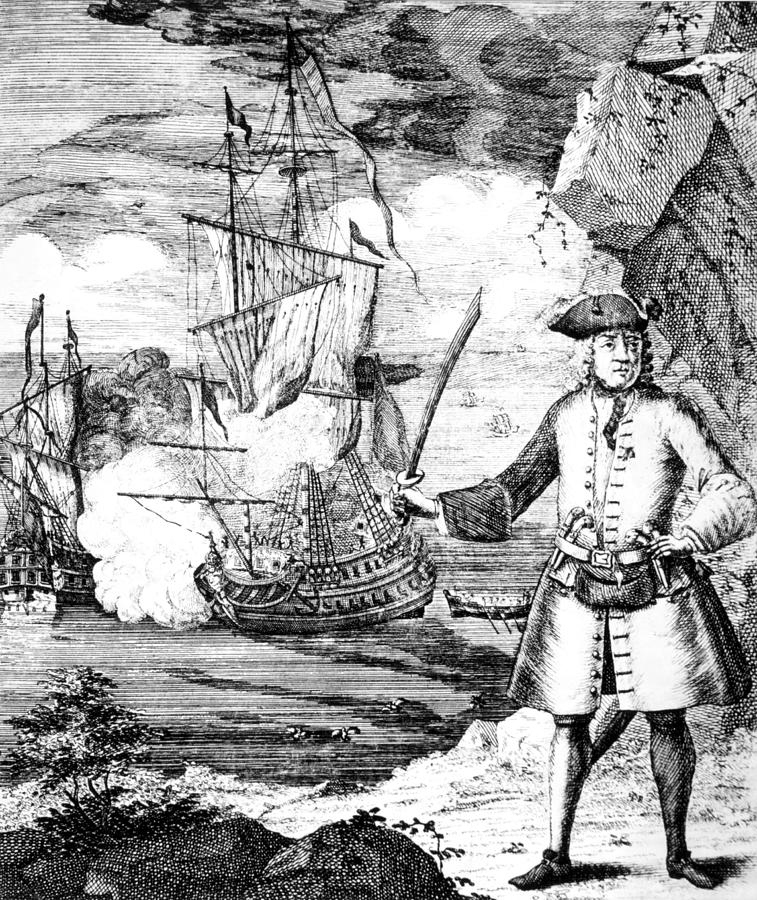
There is no shortage of famous names associated with the Golden Age of Piracy. Captain Kidd, Blackbeard, Henry Morgan or Jack Rackham hold such levels of fame, they have become household names, legends with largely fictional tales still told of their lives at sea. There is, however, one man who managed to outdo them all. His largest, most audacious crime is one of the most successful pirate raids in history and one that nearly brought down one of the richest, most powerful empires the world has ever known. Captain Henry Every, the pirate that shook the colonies from the Red Sea to the Caribbean and then disappeared without a trace.

IMG_20200809_000529_049[2471]

The Murder of Jane Clouson: The Eltham Mystery

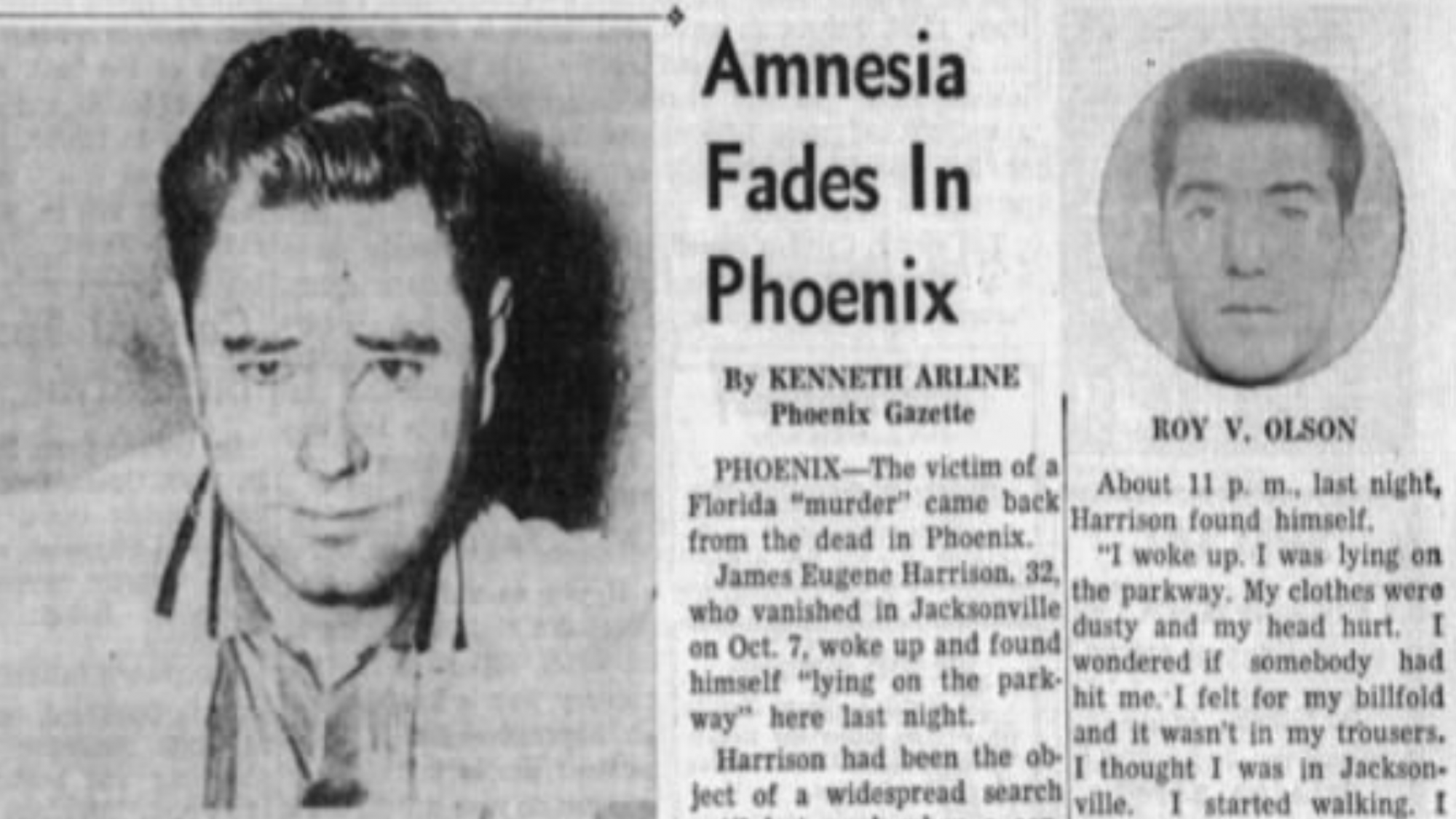
In the spring of 1871, a young servant girl was found in the middle of the night, lying on the ground following a brutal attack that would eventually prematurely end her life. Following a series of fantastic police blunders, a suspect was arrested, tried and promptly acquitted. As far as the police were concerned, the murder had been solved, but the culprit had escaped the hand of justice and as such, the case was closed and eventually buried, slipping into eventual obscurity. Almost 140 years later, that is where the case remains, but had the police been right in their suspicions of the suspected attacker? Or did the murderer remain completely anonymous, escaping justice due to the tunnel vision of a ham fisted police department?

hairy hands road 1921[2472]

The Hairy Hands of Dartmoor: Birth of an Urban Legend

In 1921, a series of accidents on a small, rural road, carving through the heart of the boggy marshes and fields of Dartmoor, in South East England, led to a brief explosion in excitement concerning the ghostly image of a pair of disembodied hands, forcing drivers off the road and into potentially fatal accidents. Following a little dash of press magic, the story took hold and grew for over a hundred years, until today where it has become accepted as a staple in British Urban Legend. But how did it happen? How did a relatively innocuous story take such a hold of the public imagination for so long, preserving, evolving and growing with each passing generation? This is the story of the Hairy Hands of Dartmoor, a story that blurs the lines between fact and fiction and spawned into existence a fully fledged cryptid legend from nowhere.

albert-w-hicks-pirate

Albert Hicks: The Pirate King of New York

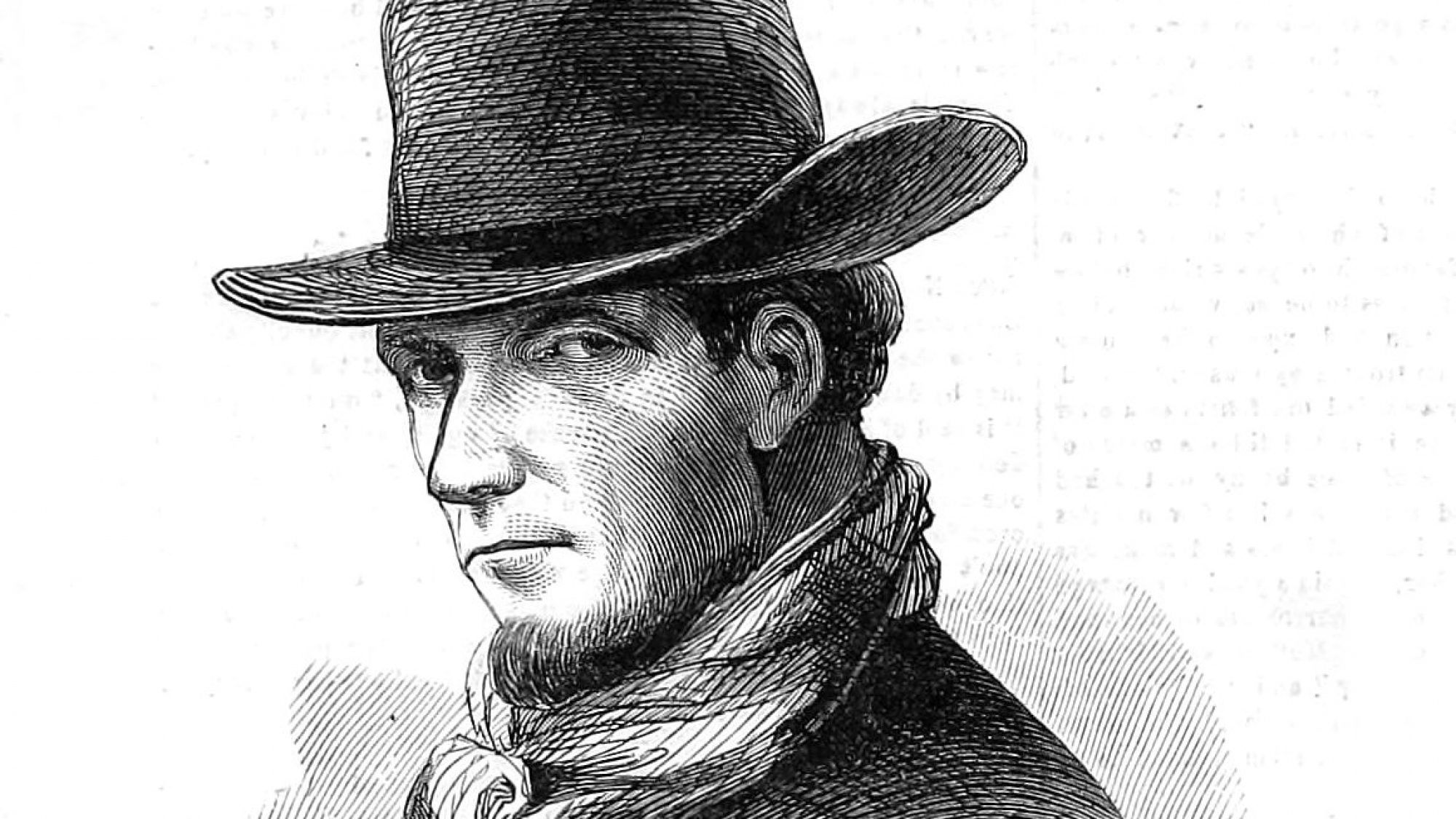
Just before dawn, on the outskirts of New York harbour, a small Sloop sailed listlessly into the bay. The ship had no crew, no lights and a deck covered in blood. It presented a mystery to the local police, who set their detectives on the case which led to a manhunt up the East Coast of the United States in pursuit of a phantom. The police may have had a description, a name, but they had no idea of the monster they would find at the end of the trail. More than a phantom, they were chasing a legend, a man who would later become whispered about in taverns as the last pirate of New York.

images

Photography, Spiritualism & The World of William Mumler

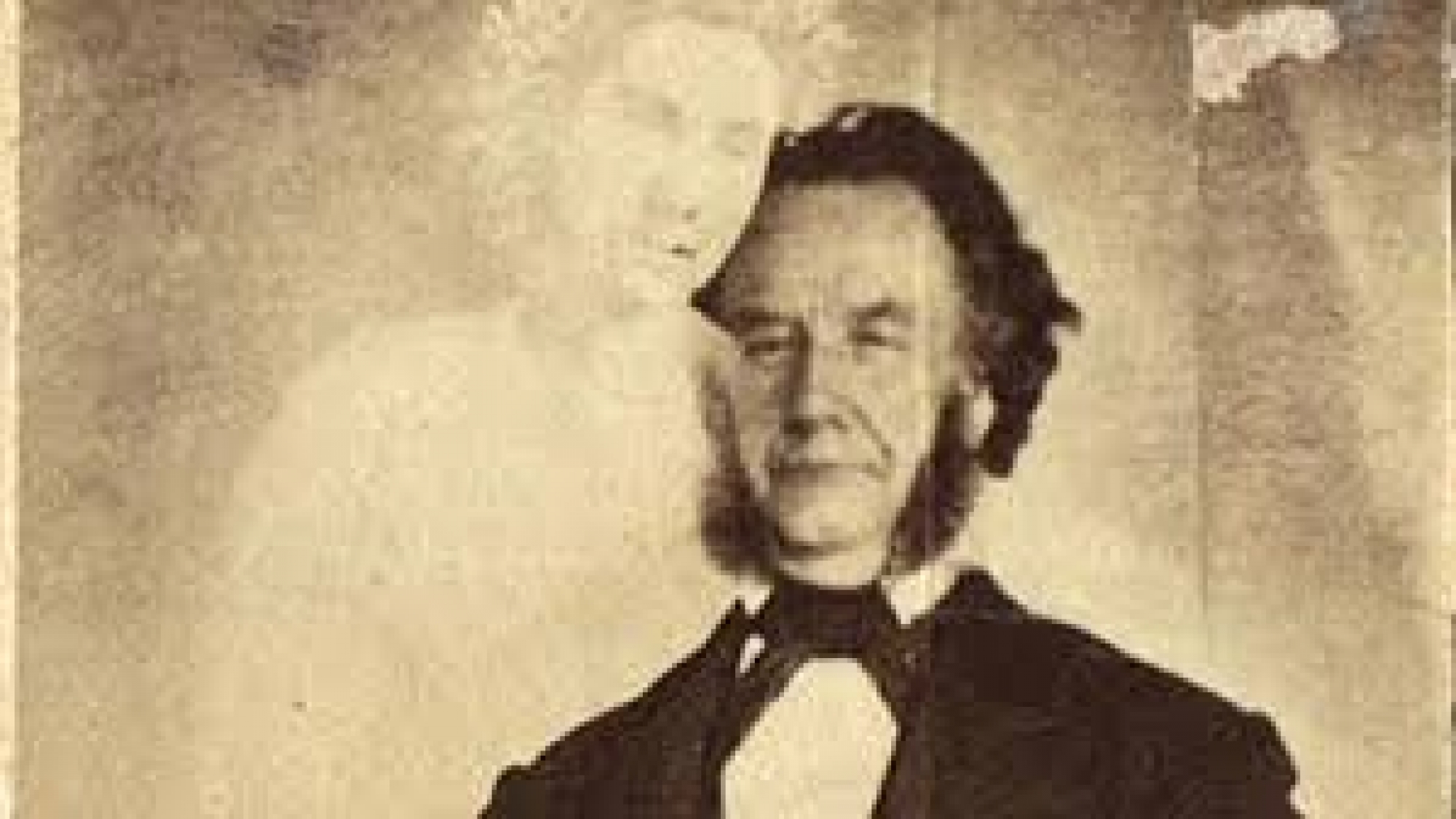
The technological breakthroughs of the 19th century were, to many people, both equal parts exciting and terrifying. Known as the black arts, the newly emerging techniques of commercial photography were often spoken about as though they were a mysterious or even supernatural process. Of course, there was nothing supernatural about the new technology, at least, not for most photographers. When William Mumler picked it up as a hobby, lured in by his attraction to a local studio owner and a propensity to tinker, he decided to lean into the mystery by offering a spyhole into the unseen world of the dead, shooting portraits of clients sitting alongside the spirits of their lost loved ones.