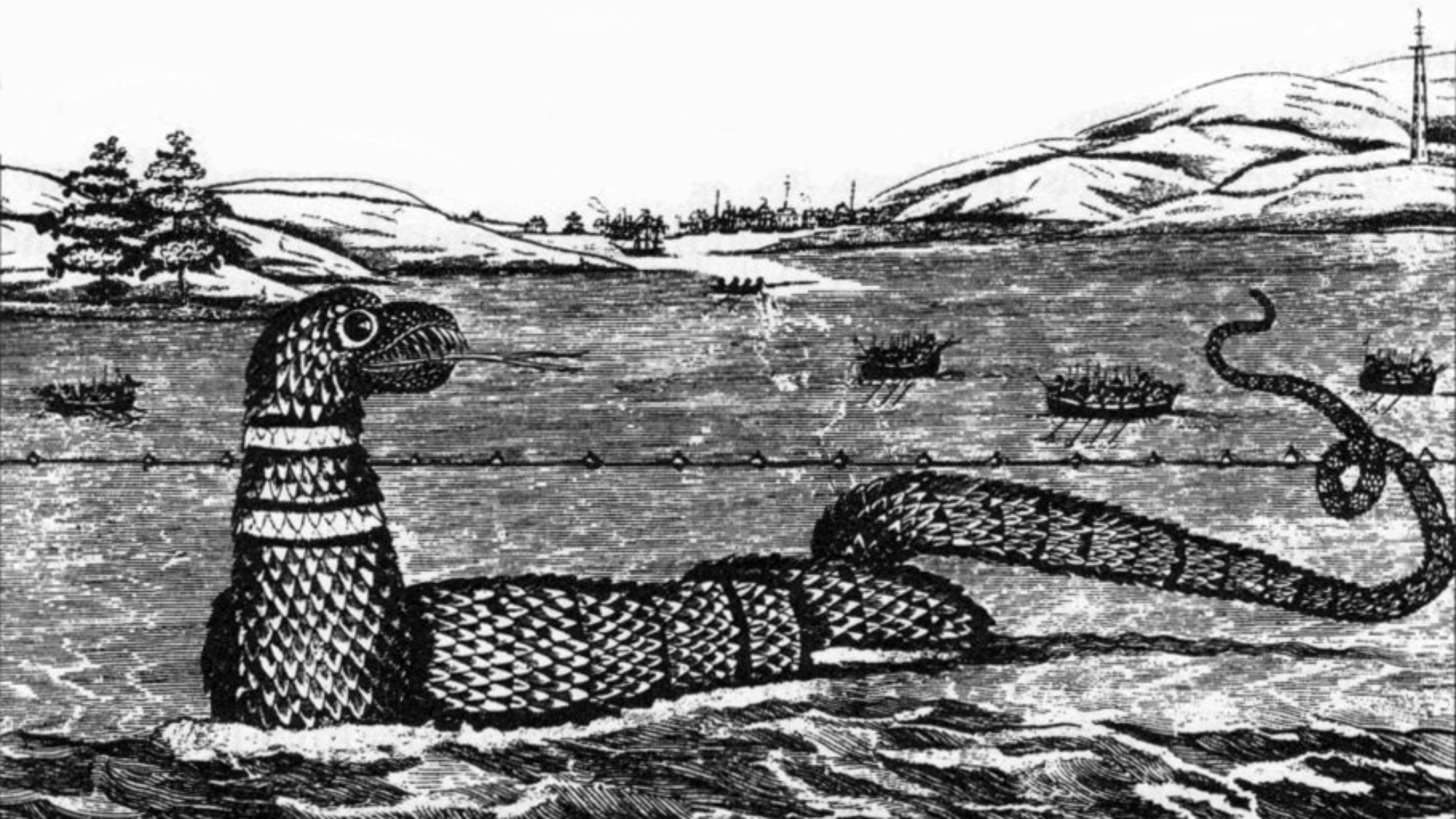
1817_Gloucester_sea_serpent

The Gloucester Sea Serpent of 1817

From the ancient pages of the Old Norse Edda to the interwar pages of American adventure magazines, the depths of our oceans have, in imagination, been host to unspeakable monsters for many hundreds of years. In modern times, the phrase “Here Be Dragons” has been absorbed into popular culture as titles for books, films, TV shows, bands and video games, all this despite the fact that it only ever appeared on the unknown seas of a single 16th Century Globe. Far more common were the giant sea monsters that adorned maps for hundreds of years, existing only as illustrations and in the minds of those that viewed them. In the summer of 1817, just off the coast of Massachusetts, however, these illustrations became flesh and blood for several weeks when witnesses of a Giant Sea Serpent numbered into the hundreds, in what the 19th Century Harvard Professor Jacob Bigelow called “the most interesting problem in the science of natural history.”
Screenshot 2021-11-17 at 23.38.20

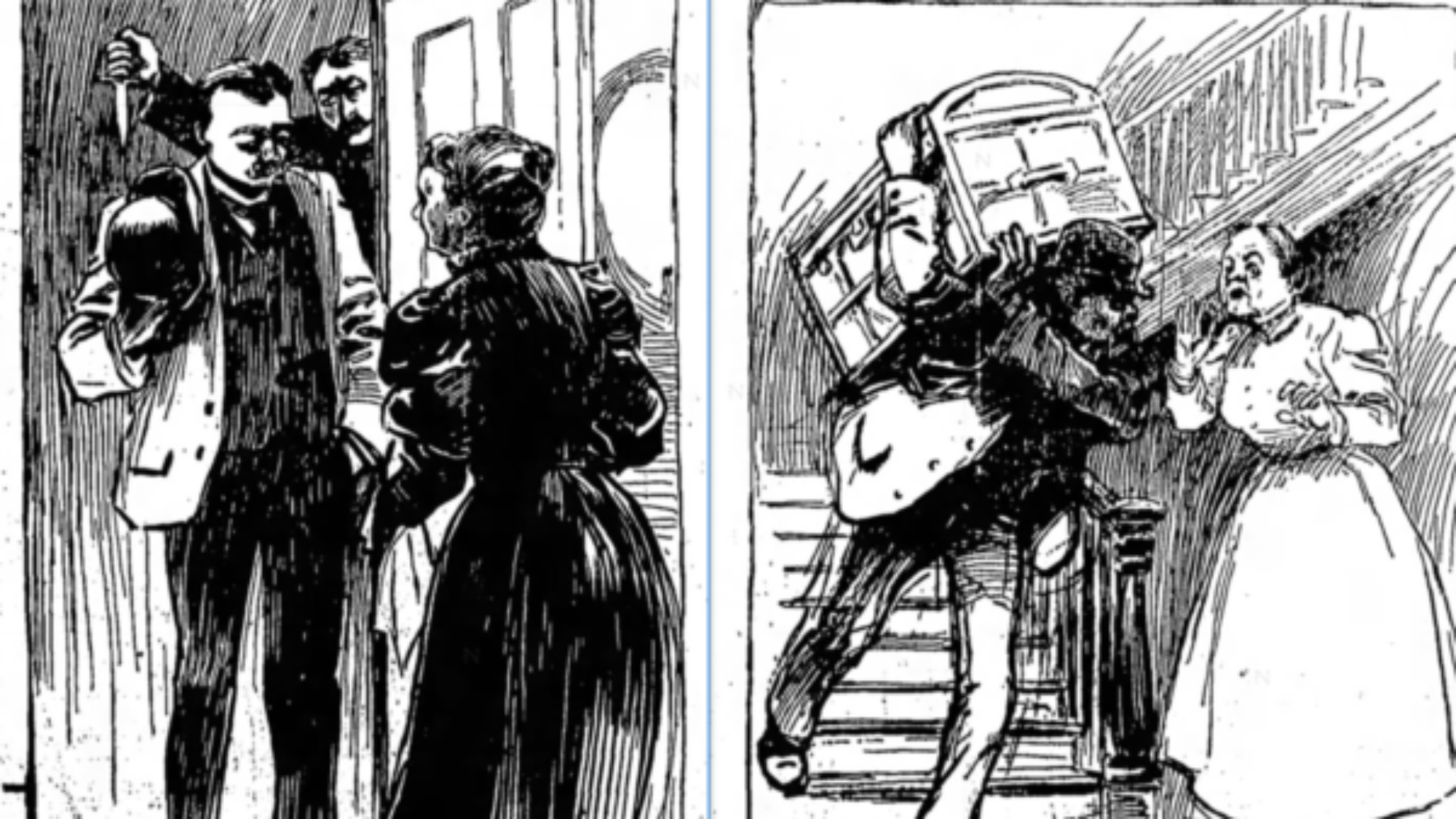
The New York Press & The Headless Torso Mystery

New York journalism in 1897 was in a pretty technicolor space. Newspapers, so long the grey, stolid, medium of the merchants and businessman, were instead being filled with lurid stories of murder, scandal and drunken debauchery and the public were loving it. As papers fought for readers in the streets, sometimes quite literally, the stories that filled the pages and the methods utilised on order to write the stories grew more and more sensational by the day. It all came to something of a boiling point in the high temperatures of Summer, when a body washed up in the East River, carved up and lacking a head. The investigation that followed was carried out just as much by the journalists as it was the police, as the lines between who was who became increasingly blurred.

anges-de-mons

The Supernatural in War

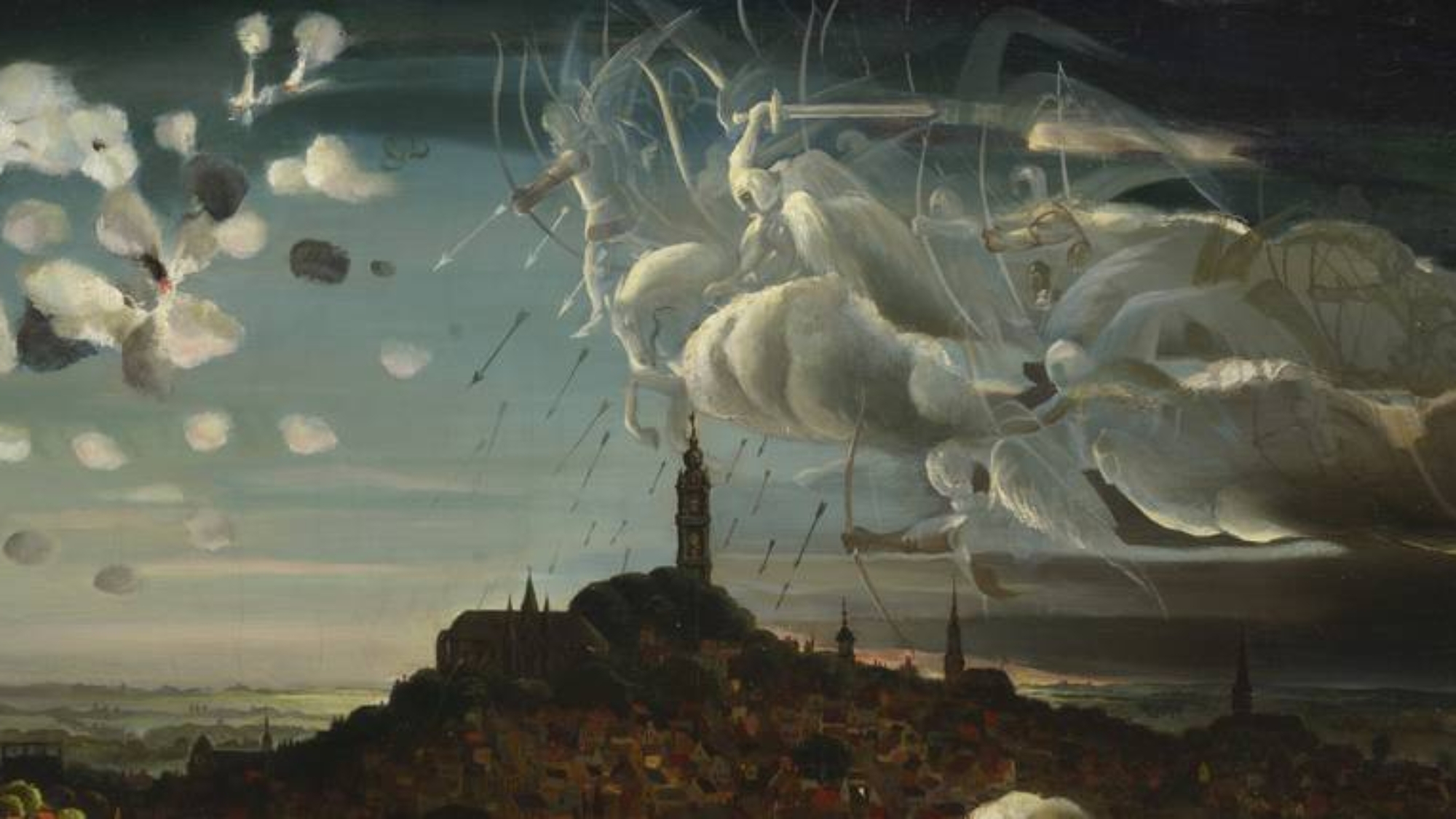
Prior to the First World War, ghostly apparitions across battlefields tended to be confined to large scale skirmishes fought in the skies. In America, Modern folklore has helped to spawn a cottage industry within the tourist trade of Civil War battlefields. The equation of such high death rates, paired with intense levels of trauma seems to equate to an acceptance that wars were surely the perfect breeding grounds for the supernatural. Though this doesn’t always appear to ring true, war is, nevertheless, a ripe area for some very bizarre stories.

BorleyRectory1892

The Borley Rectory Affair

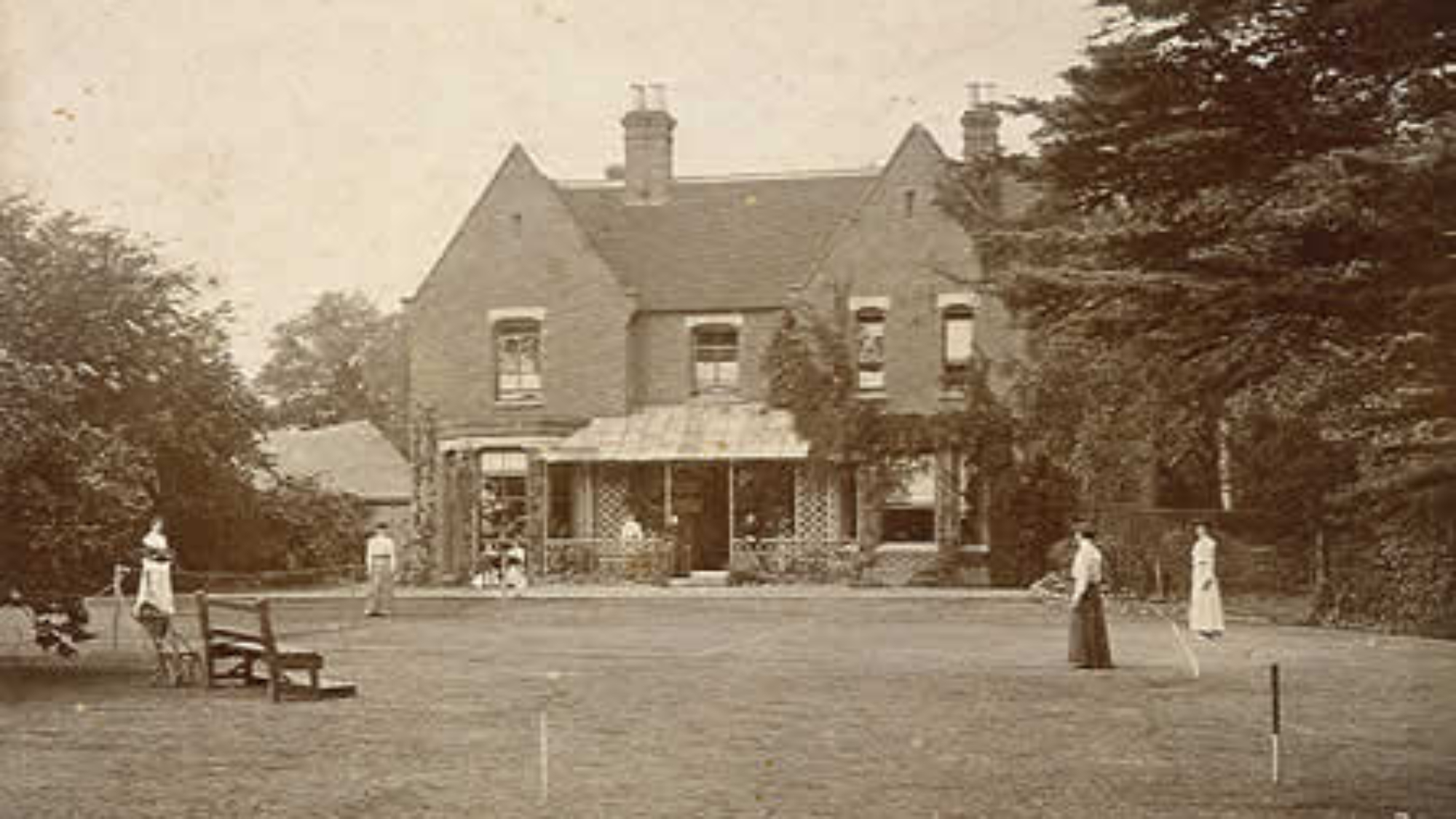
When Harry Price published his first book covering Borley Rectory in 1940, he would have been well aware of how sensational, and potentially controversial, the title would appear. “The Most Haunted House in England” shot Borley Rectory to fame, cementing the name in history with the likes of Jack the Ripper, The Salem Witch Trials and later, The Amityville Horror. That the contents of the book stirred up so many years of controversy is an outcome that was bound to have materialized regardless of the title, with stories of spectral nuns, monks and horse-drawn carriages, ghostly writings on the wall and secret passages, all set in the spiritualist boom between the wars. Tables tipped, planchettes moved, bells rang and eventually the house burnt to the ground. Eighty years later, the legend of Borley still lives on fighting against allegations of fraud all the way.

Alferd-Packer-Massacre-Site-colorado-historical-society-F-3822

The many confessions of Alfred Packer

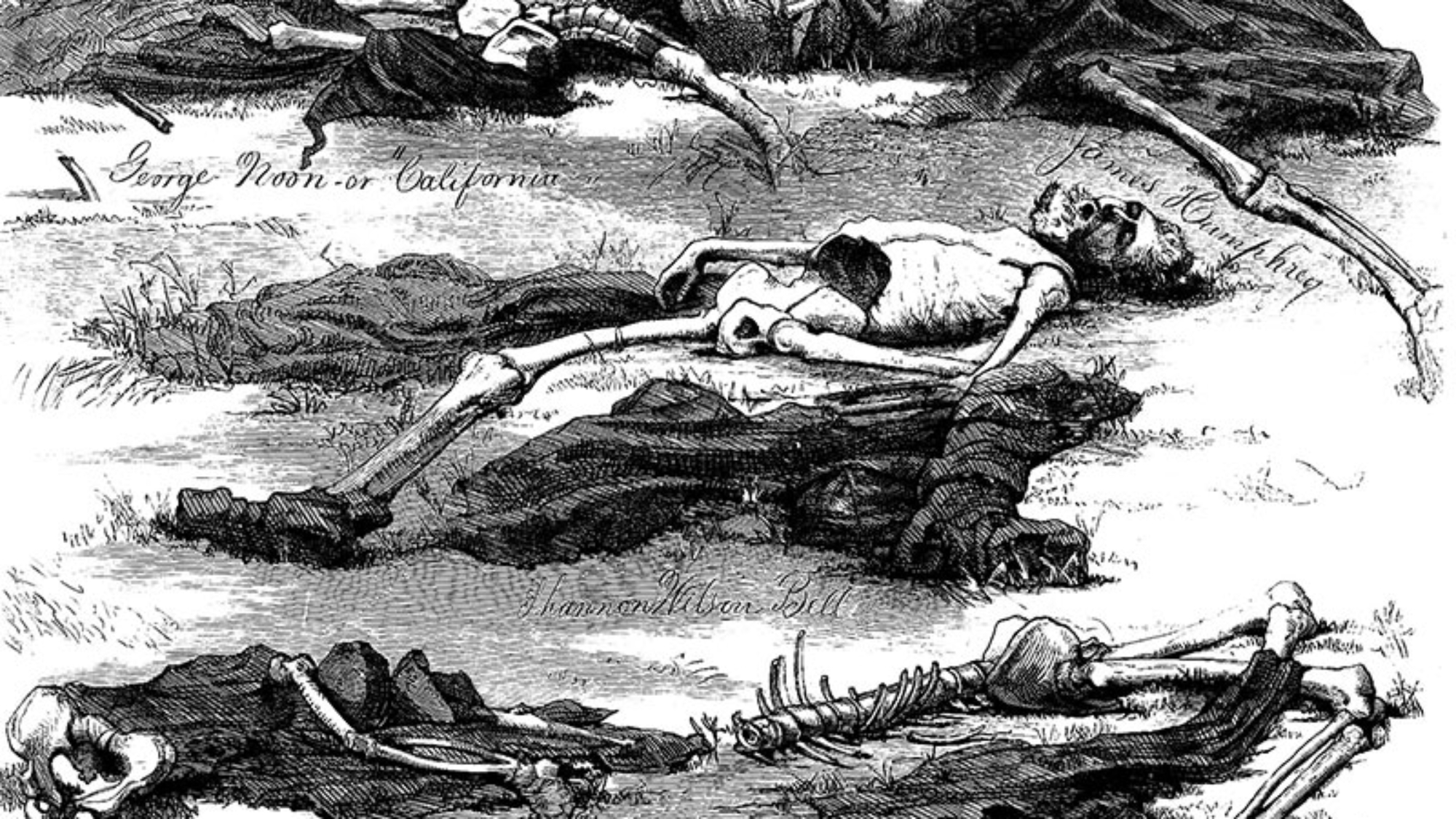
The North American mineral rushes of the 19th Century saw hundreds of thousands flock to mountains and mines across the continent in search of fame and fortune, from panning for gold to working long, dangerous shifts down poorly run mines, entire industries exploded overnight, sucking in workers from around the world. During the San Juan Silver Rush of the 1870s, one of these workers was a young man named Alfred Packer, an epileptic, military cast-off, who drifted across America looking for his passport to a new life. He had lived a reasonably anonymous existence, until one fateful expedition saw him wind up almost starving to death, only surviving by eating his fellow party members, a surprisingly common occurrence in the Old West.